
Life Cycle Assessment (LCA)
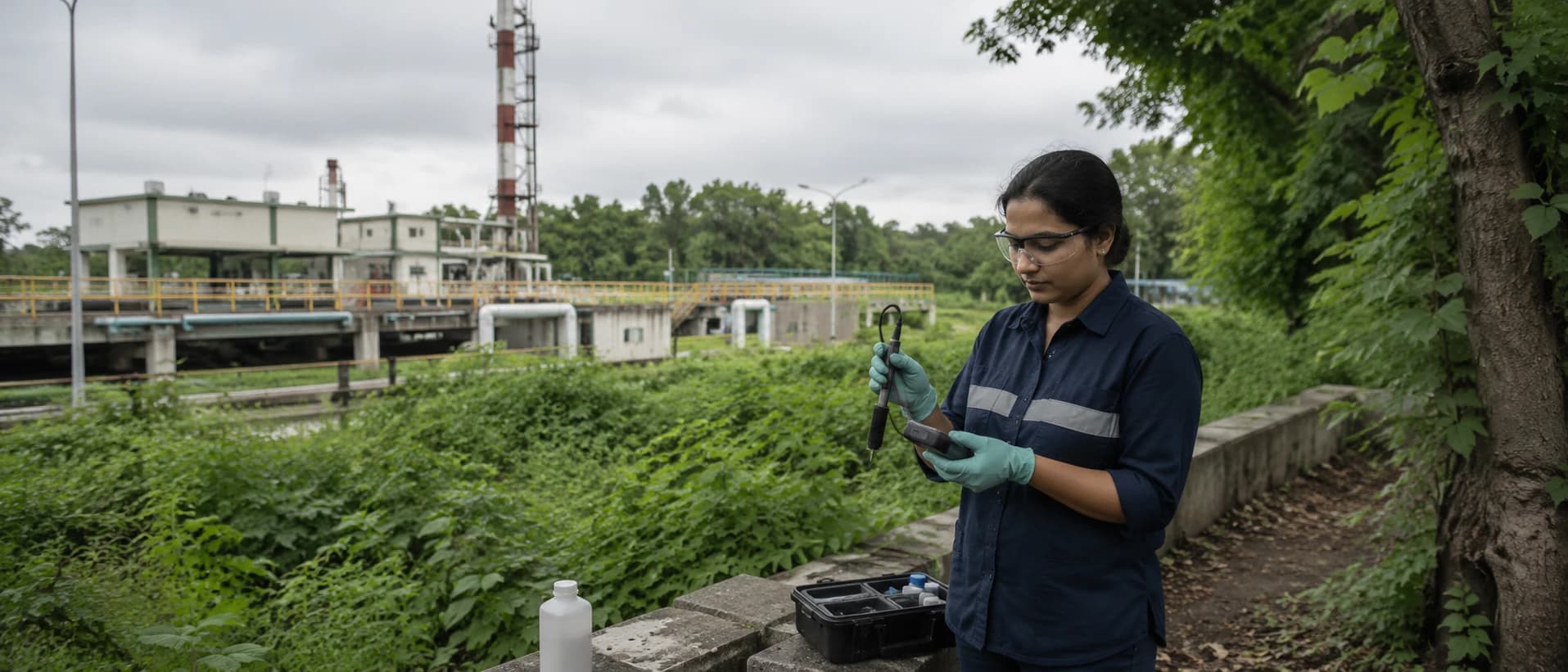
What is a Life Cycle Assessment (LCA)?
A Life Cycle Assessment is a systematic methodology for evaluating the environmental impacts of a product, process, or service across its entire lifecycle — from the extraction of raw materials through manufacturing, distribution, use, and end-of-life treatment or disposal. It provides a comprehensive, quantified picture of the environmental burden associated with a product or process — going far beyond the impacts of the production stage alone.
LCA follows the methodology defined in ISO 14040 and ISO 14044 — involving goal and scope definition, life cycle inventory analysis, life cycle impact assessment, and interpretation. The output quantifies environmental impacts across multiple categories — including climate change, ozone depletion, water use, land use, resource depletion, and human toxicity — providing the evidence base for environmental product declarations, eco-design decisions, and sustainability reporting. It is used by manufacturers, consumer goods companies, packaging producers, and any organisation seeking to understand and reduce the environmental footprint of their products — and is increasingly required by investors, retailers, and regulators as environmental product transparency expectations rise.















Speak to our ESG specialist.
Our specialists are available across India. A conversation is all it takes to find the right approach for your organisation.