
Environmental Site Assessment — Phase I, Phase II, Phase III & Risk Assessment
What is a Environmental Site Assessment — Phase I, Phase II, Phase III & Risk Assessment?
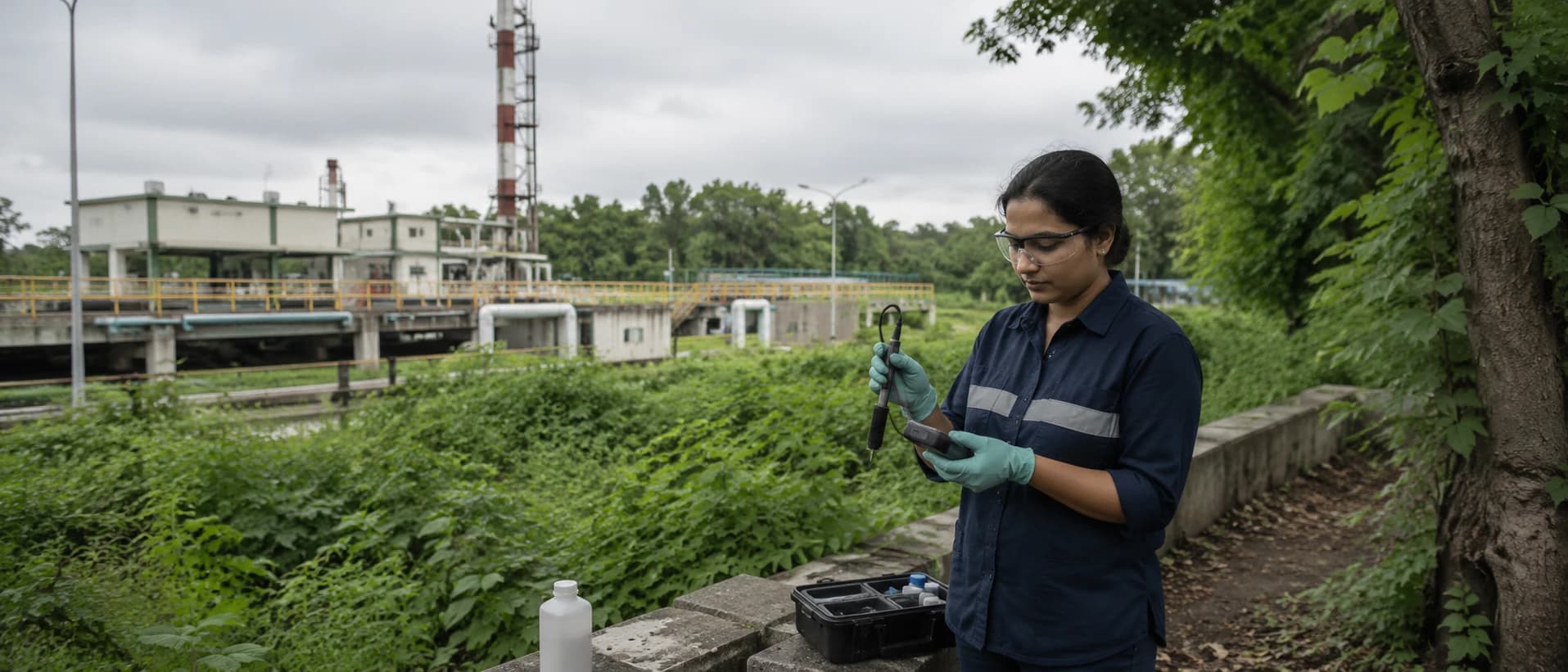
An Environmental Site Assessment is a structured investigation of a site's environmental condition — evaluating whether the land or groundwater at a site has been contaminated by past or present industrial, commercial, or other activities, and assessing the risk that any contamination poses to human health, controlled waters, and the wider environment. ESA is conducted in three phases — Phase I involves a desktop review of historical land use, regulatory records, and site inspection to identify potential contamination sources and pathways; Phase II involves intrusive investigation including soil and groundwater sampling and laboratory analysis to characterise actual contamination; Phase III involves detailed quantitative risk assessment and remediation planning where contamination is confirmed.
Each phase builds on the findings of the previous — with the level of investigation matched to the evidence of risk identified. Environmental Site Assessment is a standard requirement in property transactions, land development, industrial due diligence, and project financing — and is increasingly required by institutional investors and development finance institutions as part of their environmental and social risk management frameworks.


















Speak to our ESG specialist.
Our specialists are available across India. A conversation is all it takes to find the right approach for your organisation.